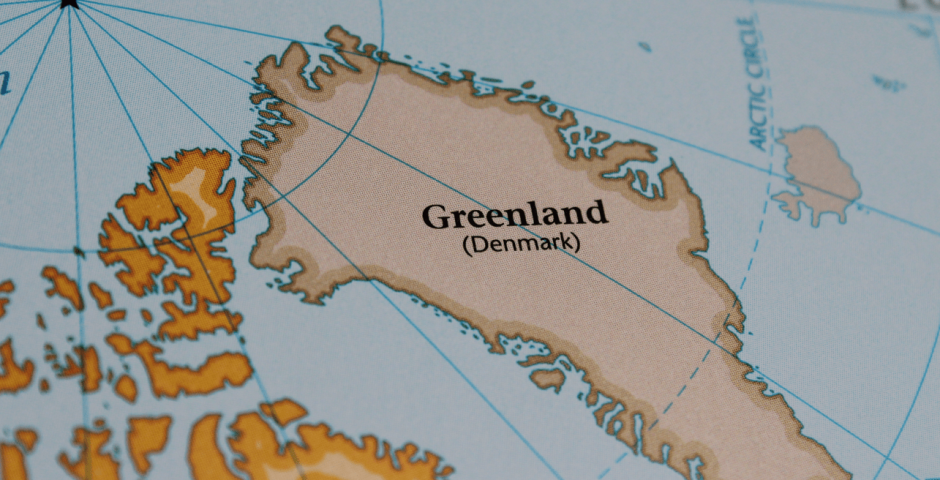
Greenland’s historical connection to Europe began during the Viking Age, when Norse explorers ventured westward across the North Atlantic. Around the late tenth century, Erik the Red, exiled from Iceland, established settlements along the southwestern coast of the island. The name “Greenland” likely described the relatively fertile fjord areas of the south, but it also served as an attractive label intended to encourage further settlement. These Norse communities eventually became part of a wider political sphere dominated by Norway.
For several centuries, the Norse population survived in Greenland, maintaining contact with Europe. By the early fifteenth century, however, these settlements vanished. Scholars suggest multiple causes for their disappearance, including a cooling climate that made farming increasingly difficult and tensions with Inuit groups who migrated into the same regions.
A new phase began in 1721, when the missionary Hans Egede arrived in Greenland under the authority of the Danish-Norwegian crown. His original goal was to reconnect with the lost Norse settlers, whom he believed might still live there. Instead, he encountered only Inuit communities and redirected his efforts toward Christian missionary work. This moment marked the start of Greenland’s colonial era under Danish-Norwegian influence.
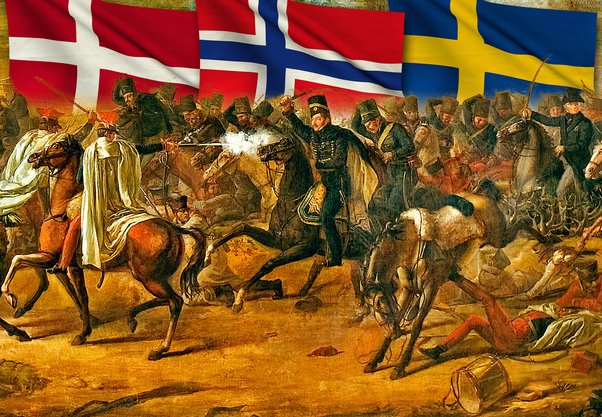
Throughout the eighteenth and nineteenth centuries, Denmark gradually strengthened its control over Greenland, despite competition from other European powers. The colonial administration promoted a cautious form of economic and social development, shaped by a paternalistic outlook. After Denmark and Norway separated in 1814, Greenland remained under Danish rule. Denmark’s sovereignty over the island was later reinforced by international recognition, including decisions by the United States and international courts.
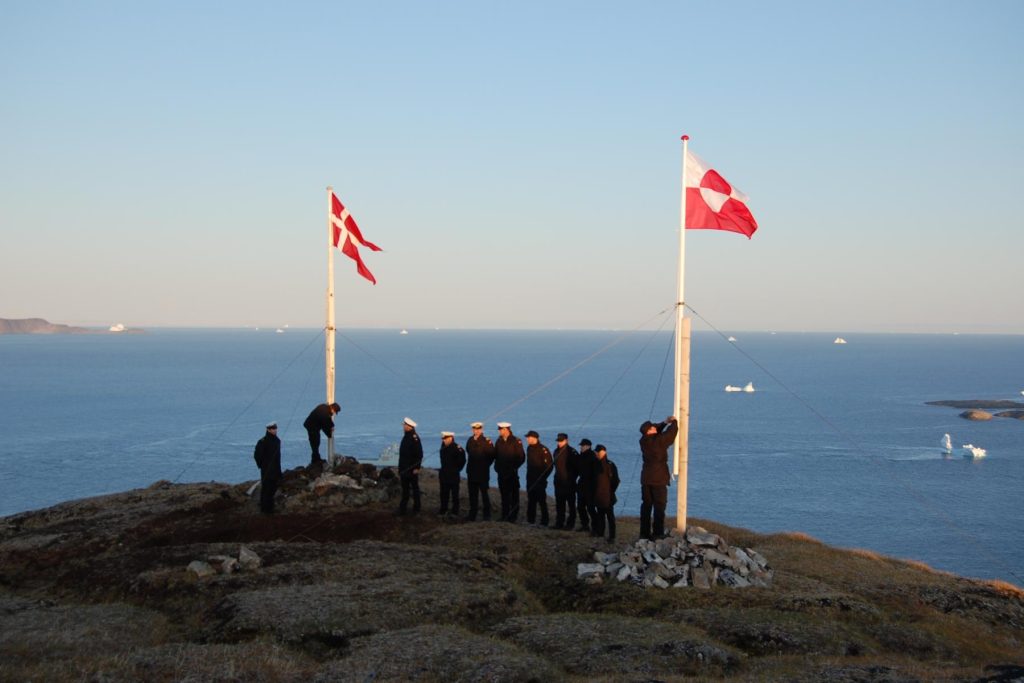
Following the Second World War, global pressure for decolonization reshaped Greenland’s status. In 1953, it was formally integrated into the Kingdom of Denmark and granted representation in the Danish Parliament. Increasing autonomy followed: Home Rule was introduced in 1979, and expanded self-government was achieved in 2009. The latter reform affirmed that Greenlanders themselves hold the right to decide whether to pursue full independence.
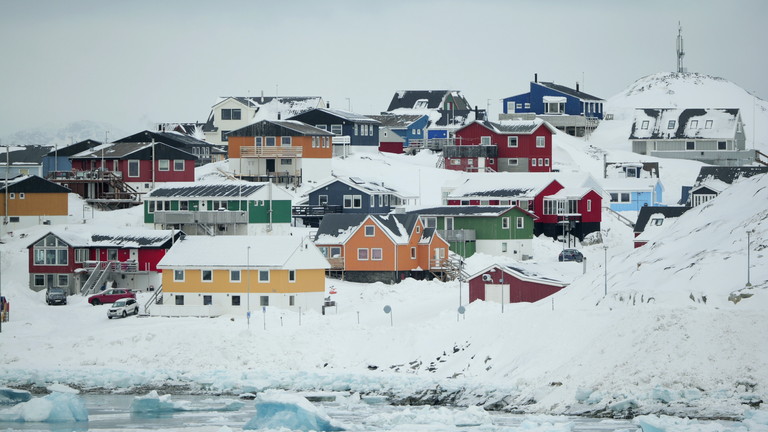
Although public opinion in Greenland generally favors independence in principle, economic realities complicate this goal. The island’s vast territory, small population, and demanding climate make it heavily reliant on financial support from Denmark, including an annual subsidy and assistance in defense, policing, and infrastructure. As a result, any future independence would likely require continued cooperation with Denmark.
Greenland’s strategic importance has long attracted American interest, particularly during and after the Second World War. The U.S. established a military presence on the island with Denmark’s consent, a partnership later embedded within NATO. During the Cold War, Greenland played a crucial role in Arctic surveillance and missile detection.
In recent years, proposals from the United States—most notably during Donald Trump’s presidency—to acquire Greenland sparked international controversy. These ideas were driven by strategic, economic, and geopolitical considerations, but they were firmly rejected by Greenlandic leaders and the population at large. Polls consistently show strong opposition to any form of annexation by the United States. Greenland’s future rests on the principle of self-determination.
References: https://www.diis.dk/en/research/why-is-greenland-part-of-the-kingdom-of-denmark-a-short-history
© 2026, DetectivPress. Toate drepturile rezervate.