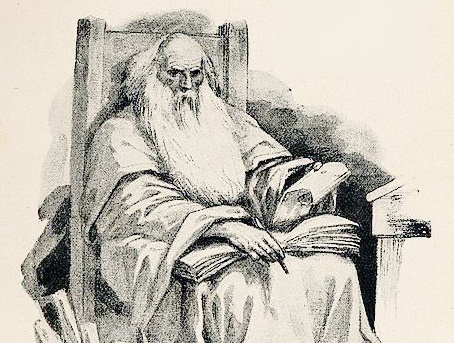
Saxo Grammaticus was one of the most influential medieval historians of Denmark. Living during the late twelfth and early thirteenth centuries, he is best known for writing Gesta Danorum (“The Deeds of the Danes”), a monumental chronicle that became the first major written history of Denmark and one of the earliest literary achievements produced by a Danish author.
Although few reliable details about his personal life have survived, historians believe that Saxo originated from Zealand and came from a family with military traditions. He was likely connected to the church and probably worked under Absalon, the powerful Archbishop of Lund, who encouraged the recording of Denmark’s past. This relationship provided Saxo with access to political and historical information that greatly influenced his writings.
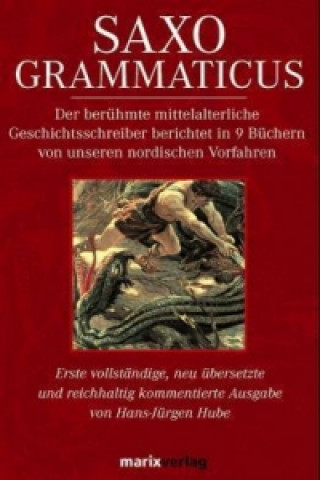
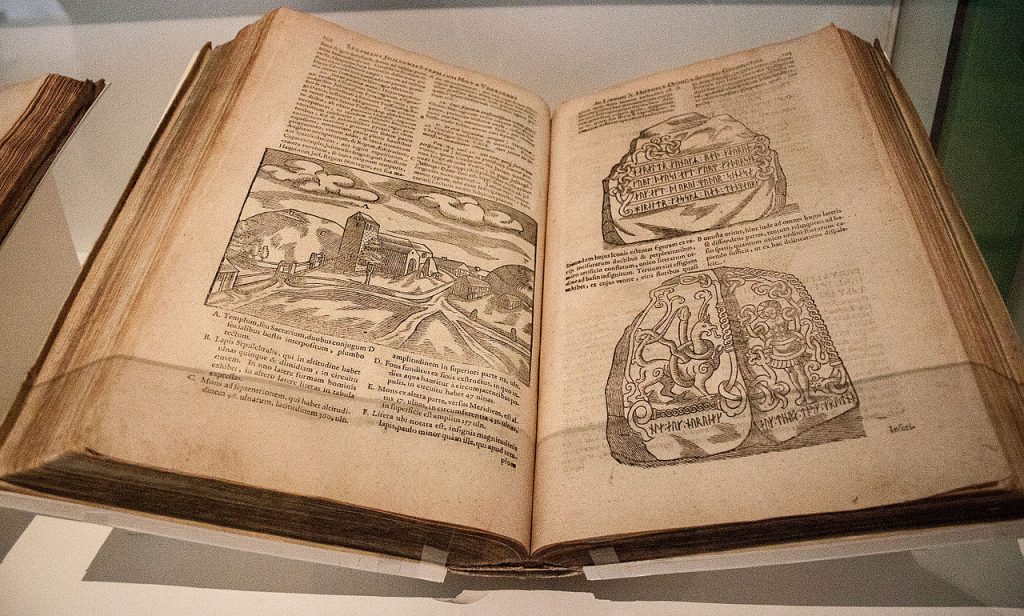
Saxo’s most significant contribution is Gesta Danorum, a comprehensive work written in Latin between the late twelfth and early thirteenth centuries. The chronicle combines legendary narratives, heroic traditions, myths, and historical events to create a continuous story of the Danish people from their earliest origins to Saxo’s own era. By gathering oral traditions and earlier accounts, he preserved many stories that might otherwise have disappeared from history.
One of the remarkable features of Gesta Danorum is the way it blends mythology with historical storytelling. Saxo recounted tales of legendary kings, heroes, and gods, presenting them within a broader narrative of Danish development. His work reflects both the medieval fascination with heroic ancestry and the growing influence of Christianity in Scandinavia. Through this combination, he sought to demonstrate the greatness and continuity of the Danish kingdom.
The influence of Saxo Grammaticus extended far beyond medieval Denmark. His account of the legendary prince Amleth is widely regarded as an important source that later inspired William Shakespeare’s Hamlet. By preserving such stories, Saxo helped transmit Scandinavian legends to later generations of European writers and scholars. Saxo Grammaticus writings provided Denmark with a written national history at a time when much historical knowledge was transmitted orally. As a result, Gesta Danorum remains an invaluable source for understanding medieval Denmark, Scandinavian traditions, and the cultural foundations of the Danish nation.
Source
This article was written based on information from the Encyclopaedia Britannica entries on History of Denmark (Britannica), Saxo Grammaticus (Britannica)
, and Gesta Danorum (Britannica)
.
https://www.britannica.com/biography/Saxo-Grammaticus
© 2026, DetectivPress. Toate drepturile rezervate.